Description
EBOOK AVAILABLE
Girls and boys, children and young people, look at the world and at life with a curiosity shaped by the enchantment of the first time, the first glance, the first name. An originality accompanied by “wonder,” the kind that great poets recognize in the feelings of childhood and of poetry. Then, the stereotypes of common ways of seeing, understanding, and judging confine amazement within precise boundaries, necessary for living with others, sharing projects and relationships. The world of adults. But every now and then, in history, these patterns are broken, and new visions of the world change the lenses and the things themselves. Poetry always does this.
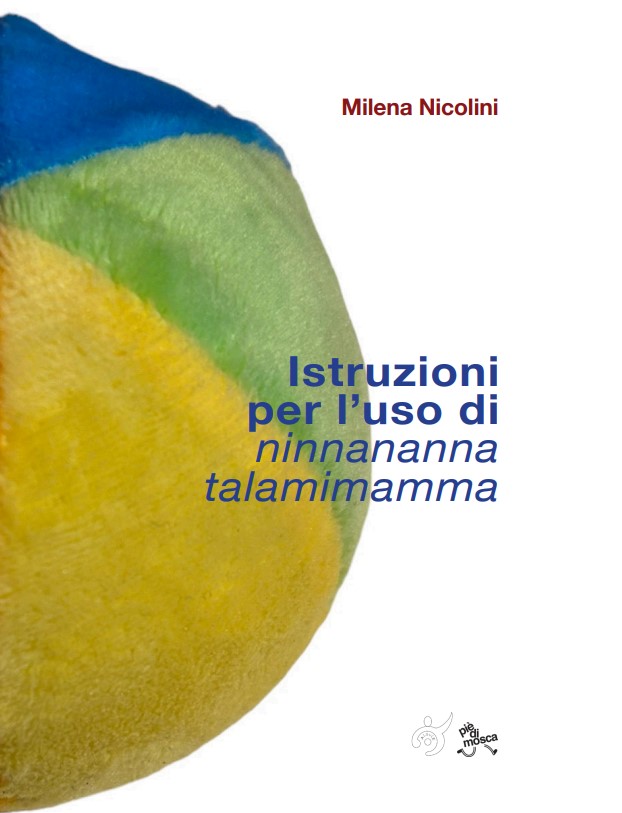
That is why it is important to offer poetry to children and young people in its richest and most complex form. To reach the right size for children and adolescents, one should not present a lesser poetry, a babbling in verse—lowered into poor, rhetorical, or banal forms under the pretense of false simplicity. Thus Anna Maria Farabbi conceived the poetry of ninnananna talamimamma: the “lowest” posture is only to listen to “the blades of grass singing.”
This does not, however, diminish the value of narratives in verse, nursery rhymes, and similar works, which can reach the highest literary levels: Gianni Rodari’s masterpieces, for instance, are known to all. It is a different genre from poetry—adjacent, perhaps more immediate, with its own specific pedagogical and cognitive aims. To say that poetry is something else does not mean establishing hierarchies of value, nor dividing into stagnant compartments. Poetry needs to be used with its own modes, its own tools.
Children and young people are naturally quick to practice it; they become incredibly agile in moving within the natural complexity of poetry. They only need to begin by “counting,” as they once did in order to solve problems and equations. With poetry they will learn to enter the miracle of the word: a word that touches things without touching them, that connects inner emotion and thought with the outside world, that brings into presence what is absent, elsewhere, or not at all. A word always new.
ALL INFORMATION ABOUT ninnananna talamimamma (Italian)
ninnananna talamimamma – Kaba Edizioni




Reviews
There are no reviews yet.